

GOWUKAKU|IT認定資格の最新の試験問題集(PDF版・無料サンプル問題)を提供しています
Risk and AI (RAI) 試験問題と答案
最終更新日: 2026/10/12 収録内容確認済 | PDF問題集: 全 300 問収録
RAI試験対策の学習資料(PDF版:日本語・英語2言語セット)|1年間(365日)無料アップデート付
| 対象試験 | GARP RAI — Risk and AI (RAI) |
|---|---|
| 収録問題数 | 全 300 問(解答付き/オンライン無料サンプル 120 問公開中) |
| 提供形式・言語 | PDF版(日本語版・英語版の2言語セット) |
| 販売価格(税込) | 6,880円(税込) ※1回払いの買い切り商品です。自動更新や追加請求はありません。 |
| 引き渡し・有効期間 | 決済完了後すぐにダウンロード可能(日本語版が準備中の科目は、英語版を即時ダウンロードのうえ、日本語版は準備完了次第ご登録メールへ自動送付・有効化されます)。ご購入日から1年間(365日間)無料アップデート対応(期間内の更新版も追加料金なしでダウンロード可能)。 |
| お問い合わせ窓口 | メールサポート:[email protected](注文確認・再送・教材に関するご質問|返金・交換条件) |
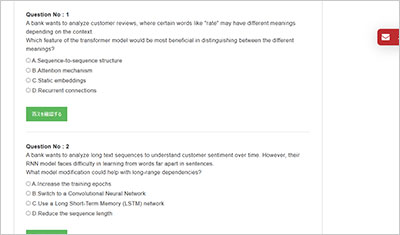
収録内容から抜粋したサンプル問題です。「解答・解説を表示」をクリックすると正解を確認できます。
サンプル問題 1: A problem-solving AI model is being developed to solve the Tower of Hanoi puzzle by systematically planning moves to achieve the final goal. The model needs to evaluate intermediate steps to clear disks strategically for future moves. Which approach would best help the model to complete this task?
サンプル問題 2: A checkers AI program evaluates possible board positions using six criteria, each with a calculated score (c1 to c6) and corresponding weight (w1 to w6). Which formula will provide the overall score v for a given board position?
サンプル問題 3: Which early concept in neural network theory proposed that repeated activation of one neuron by another would strengthen their connection?
GARP RAI試験の準備に向けた復習資料としてRAI問題集を提供しています。Risk and AI (RAI)試験の主要な知識ポイントをカバーしています。ページ上部の「RAI 試験を開始する」ボタンからオンライン無料サンプル問題を確認できます。
答え:現在提供されているRAI問題集には、RAI試験対策に向けた全300問の練習問題と解答が収録されています。Risk and AI (RAI)試験に向けた復習に利用できます。
答え:最新の更新日時はページ上部に表示されています。出題範囲の改訂に合わせて、RAI問題集は継続的に更新されています。更新では既存の基礎の上に新しい問題や改訂内容が反映されます。
答え:問題と解答の選択肢をただ覚えるだけでは十分ではありません。基礎知識を学習したうえでRAI問題集を練習することを推奨します。背景にある概念を理解しておくことで、応用問題にも対応しやすくなります。
答え:すべての問題集に練習問題と解答が収録されており、一部のGARP科目の設問には解答の下に解説や補足説明が付記されています。理解を深めながら復習を進めるのに役立ちます。
答え:選択問題では指定された数の選択肢を選びます。単に解答の記号を暗記するのではなく、問題文の意図と各選択肢の内容・解説を理解して学習を進めてください。
答え:時間の許す限り、内容を理解しながら計画的に復習することをお勧めします。RAI問題集の多くの設問と知識ポイントを一度の学習ですべて定着させるのは難しいため、3回に分けて反復する方法が効果的です。1回目は全体を通して解説とあわせて理解し、2回目は分野ごとに自分の言葉で説明できるか確認し、3回目は試験直前に間違えやすい設問を中心に総復習します。
学習時間が限られている場合は、RAI問題集の選択問題を中心に重要キーワードと正答の根拠を優先して整理してください。また、ドラッグ&ドロップ問題やシミュレーション形式の設問については、手順や前提条件を含めて仕組みを理解しておくことが重要です。
1年間の無料アップデート
ご購入日から1年間(365日間)は、RAI問題集の更新版を追加料金なしでマイページからダウンロードいただけます。
返金ポリシー
返金の条件は返金ポリシーに従います。具体的なお手続きについては、ご注文情報をご用意のうえ、サポート窓口までご連絡ください。