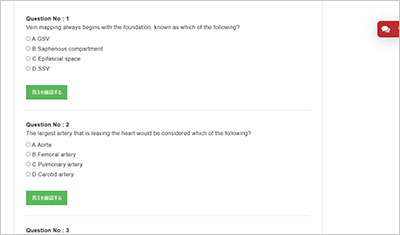
サンプル問題 1: Without the ultrasound lab being optimized ergonomically, technicians often develop which of the following types of conditions from their job?
A: Musculoskeletal
B: Genitourinary
C: Gastroenterological
D: Neurological
正解:A
Explanation: The correct answer to the question regarding the type of conditions that ultrasound technicians often develop from their job, when the ultrasound lab is not optimized ergonomically, is "Musculoskeletal." This term refers to conditions that affect the human body's movement or musculoskeletal system (i.e., muscles, tendons, ligaments, nerves, discs, blood vessels, etc.). Musculoskeletal disorders are particularly prevalent among ultrasound technicians due to the nature of their work, which often involves prolonged periods of standing, repetitive motions, and awkward postures. For instance, technicians frequently need to maintain extended arm positions while manipulating the ultrasound transducer to obtain the necessary diagnostic images. This repetitive motion and prolonged strain can lead to overuse injuries, strains, sprains, and other musculoskeletal issues. Statistics reveal that as many as 84% of ultrasound technicians report experiencing musculoskeletal pain, underscoring the severity and prevalence of these conditions in this profession. The high percentage indicates a significant occupational hazard linked to the ergonomic challenges faced in the typical working environments of these professionals. The importance of optimizing the ultrasound lab ergonomically cannot be overstressed. Ergonomic optimization involves arranging the workplace to fit the worker, thus minimizing the risks of musculoskeletal injuries. This can include adjusting the height and position of the ultrasound machines, providing adequately supportive flooring, ensuring proper lighting, and training staff in best practices for body mechanics. By identifying and mitigating risk factors such as poor posture, repetitive movements, and improper equipment usage, it is possible to significantly reduce the incidence of musculoskeletal disorders among ultrasound technicians. In conclusion, without ergonomic optimization in ultrasound labs, technicians are at a high risk of developing musculoskeletal conditions due to the physically demanding nature of their job. Addressing these ergonomic challenges is crucial not only for the health and well-being of the technicians but also for enhancing their efficiency and effectiveness in performing diagnostic procedures
サンプル問題 2: A procedure that sends sound waves into the body and converts the returning echoes into a picture is known as which of the following?
A: Magnetic resonance imaging
B: CT scan
C: Ultrasound
D: PET scan
正解:C
Explanation: Ultrasound, also known as ultrasonography or sonography, is a medical imaging technique that utilizes high-frequency sound waves to produce images of structures within the body. The process involves a small probe called a transducer and gel placed directly on the skin. High-frequency sound waves are transmitted from the probe through the gel into the body. The transducer collects the sounds that bounce back, and a computer then uses those sound waves to create an image. Unlike other imaging techniques such as X-rays, ultrasound images are captured in real-time, showing the structure and movement of the body's internal organs, as well as blood flowing through the vessels. Ultrasound is commonly used during pregnancy to view the fetus, but it has many other applications. It helps diagnose conditions affecting the organs and tissues of the abdomen, heart, blood vessels, kidneys, liver, and other parts of the body. The procedure is widely favored because it is not invasive, does not use ionizing radiation, and provides a clear picture of soft tissues that do not show up well on X-ray images. This imaging technique is also useful in guiding procedures such as needle biopsies, where it helps to safely guide a needle into a targeted area. In addition, ultrasounds can help diagnose symptoms such as pain, swelling, and infection by providing images of the affected area. Another beneficial application is in the assessment of blood flow through the vessels, detecting potential blockages or abnormalities such as in the case of deep vein thrombosis or carotid artery stenosis. In summary, an ultrasound is a versatile diagnostic tool that helps healthcare providers diagnose and treat various medical conditions. It uses sound waves to create images of the inside of the body, offering a valuable peek into the patient’s anatomy and physiological processes without the need for invasive procedures or exposure to radiation.
サンプル問題 3: Which of the following is the system of avoiding contact with patient body fluids by utilizing nonporous equipment such as face shields, goggles, and gloves?
A: Universal precautions
B: Occupational safety
C: Isolation precautions
D: All of the above
正解:A
Explanation: The correct answer to the question of which system involves avoiding contact with patient body fluids by utilizing nonporous equipment such as face shields, goggles, and gloves is "Universal precautions." Universal precautions are a set of infection control practices used to prevent transmission of diseases that can be acquired by contact with blood, body fluids, non-intact skin (including rashes), and mucous membranes. These precautions are universal in the sense that they are applied to all patients, regardless of their diagnosed or suspected infectious status. This approach recognizes that it is not always possible to know the infection status of a patient, so standard safety measures are necessary to minimize risk. The key components of universal precautions include: