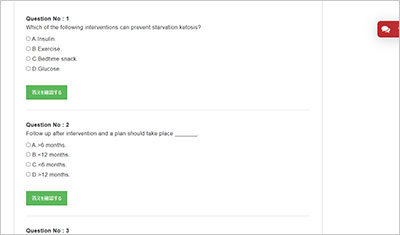
サンプル問題 1: Cardiovascular event rates are decreasing despite the fact that the majority of patients with cardiovascular risk are not meeting the currently recommended targets for which of the following?
A: glycemia
B: blood pressure
C: lipids
D: all of the above
正解:D
Explanation: The question addresses the paradox in cardiovascular health trends, where event rates are decreasing even though many patients with cardiovascular risk factors are not meeting the recommended targets for managing their conditions. The specific areas in question include glycemia, blood pressure, and lipids. Glycemia refers to the level of sugar, or glucose, in the blood. It is a crucial factor in managing and preventing the complications of diabetes, which is a significant risk factor for cardiovascular diseases (CVD). High blood sugar levels over time can lead to damage to the blood vessels and heart, increasing the risk of heart attacks and strokes. Blood pressure is another critical factor. Hypertension, or high blood pressure, forces the heart to work harder to pump blood. This increased workload can cause the heart to enlarge and weaken over time, leading to heart failure or increased risk of stroke. Managing blood pressure is thus essential for reducing cardiovascular risks. Lipids, particularly cholesterol levels, are also vital to manage. High levels of low-density lipoprotein (LDL) cholesterol (often referred to as "bad" cholesterol) can lead to the buildup of plaques in the arteries, which can reduce or block blood flow to the heart and other parts of the body. This condition, known as atherosclerosis, is a major contributor to heart disease and strokes. The fact that cardiovascular event rates are decreasing despite many patients not meeting these targets suggests that treatments and interventions currently used are effective. However, the statement also highlights a significant opportunity for improvement. If more patients were to meet these targets, potentially through better adherence to medical advice, lifestyle changes, or more effective healthcare strategies, the rates of cardiovascular events could potentially decrease even further. This scenario underscores the importance of continued efforts in public health and healthcare to educate and support patients in managing these three key factors―glycemia, blood pressure, and lipids. It also emphasizes the need for ongoing research into more effective ways to help patients meet these health targets, thus reducing the overall burden of cardiovascular disease
サンプル問題 2: patient is taking oral medication for type II diabetes, but glycemic levels are still not under control. What should be done?
A: Allow more time for medication to work.
B: Increase exercise regimen.
C: Adjust medication.
D: Decrease exercise regimen.
正解:C
Explanation: * PWhen managing type II diabetes, achieving and maintaining glycemic control is critical to prevent long-term complications such as cardiovascular disease, kidney damage, and neuropathy. If a patient's blood sugar levels remain high despite taking oral medication, it indicates that the current treatment regimen may not be effective enough. Here are a few steps that can be considered: * Allow more time for the medication to work: Some diabetes medications may take a little time to reach their full effect. However, if the patient has been on the medication for a sufficient period (as determined by a healthcare professional) and glycemic levels are still not controlled, simply waiting longer may not be a beneficial strategy. * Adjust medication: This is typically the most direct approach to take when blood sugar levels are not well-controlled. Adjusting medication can mean a few different things: increasing the dosage of the current medication, adding a new medication to work in conjunction with the first, or switching to a different medication altogether. This decision should be made by a healthcare provider who can consider the patient's overall health, the effectiveness of current medications, and potential side effects. * Increase exercise regimen: Physical activity can help lower blood glucose levels and improve the body’s sensitivity to insulin. If a patient is not meeting recommended physical activity guidelines, increasing exercise can be an effective step. However, this should be tailored to the individual's physical capabilities and other health factors. It's also beneficial to coordinate this approach with dietary management and medication adjustments. * Decrease exercise regimen: In some cases, if a patient is engaging in excessive or very intense exercise, it might lead to hypoglycemia or other health issues that complicate glycemic control. Adjusting the exercise regimen to a more moderate level might be necessary. However, this scenario is less common and should be evaluated by a healthcare provider. *PIn conclusion, while each of the listed steps might be appropriate under certain circumstances, adjusting medication is often the most direct and effective method to achieve immediate glycemic control. This adjustment should be handled by a healthcare professional, who can provide a personalized treatment plan based on the patient's specific health needs. Such adjustments are crucial for the prevention of diabetes-related complications and for improving the patient's quality of life.
サンプル問題 3: Diabetes testing should be considered at a younger age or be carried out more frequently in individuals who are overweight with a BMI greater than 25 kg/m2 and have all of the following additional risk factors except:
A: habitually active
B: have a first-degree relative with diabetes
C: are members of a high-risk ethnic population
D: have delivered a baby weighing 9 pounds or have been diagnosed with GDM
正解:A
Explanation: The question presented is aimed at identifying which factor among the listed options is not considered an additional risk factor for early or frequent diabetes testing in overweight individuals (BMI greater than 25 kg/m2). It is important to understand that overweight individuals are already at an increased risk for type 2 diabetes. The presence of additional risk factors further amplifies this risk, necessitating earlier and possibly more frequent screening. The options provided are "habitually active," "have a first-degree relative with diabetes," "are members of a high-risk ethnic population," and "have delivered a baby weighing 9 pounds or have been diagnosed with GDM (Gestational Diabetes Mellitus)." Among these, being "habitually active" is generally not considered a risk factor for diabetes; in fact, it is typically protective against the development of the disease. Regular physical activity helps in maintaining a healthy weight, improves blood glucose control, and increases the body's sensitivity to insulin. The other options listed are well-documented risk factors for diabetes. Having a first-degree relative with diabetes suggests a genetic predisposition to the condition. Certain ethnic groups, such as African Americans, Hispanic Americans, Native Americans, Asian Americans, and Pacific Islanders, are at a higher risk compared to others. Furthermore, a history of delivering a baby weighing more than 9 pounds or a diagnosis of gestational diabetes during pregnancy both significantly increase the risk of developing type 2 diabetes later in life. Therefore, the correct answer to the question is "habitually active," as it is the only option listed that does not increase the risk of diabetes―rather, it decreases it. Identifying and understanding these risk factors are crucial for effective preventive measures and timely intervention, potentially reducing the burden of diabetes on individuals and healthcare systems.